
Rhonda Cox
LPC, LCPCSouth Carolina · 21 yrs exp
Calm, practical support for lasting change
Stress, Anxiety · Trauma and abuse · Self esteem · Depression · +12 more
Read profileTherapist listings are provided by BetterHelp. We will earn a commission at no additional cost to you if you sign up through our links.
Browse profiles listed for South Carolina to compare therapists who list trauma-focused therapy among their approaches. Review each profile's approaches, degrees, languages, and focus areas, and contact the therapist to confirm their license and permission to work with you in your location.
South Carolina · 21 yrs exp
Calm, practical support for lasting change
Stress, Anxiety · Trauma and abuse · Self esteem · Depression · +12 more
Read profile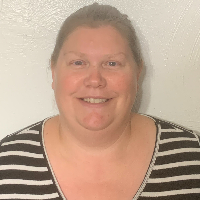
South Carolina · 18 yrs exp
Compassionate counselor focused on trauma recovery
Stress, Anxiety · Relationship · Trauma and abuse · Self esteem · +13 more
Read profile
South Carolina · 15 yrs exp
Supportive trauma-informed counselor
Stress, Anxiety · Trauma and abuse · Self esteem · Coping with life changes · +7 more
Read profile
South Carolina · 8 yrs exp
Supportive social worker for trauma and stress
Stress, Anxiety · LGBT · Trauma and abuse · Anger · +15 more
Read profile
South Carolina · 9 yrs exp
Practical, trauma-aware support focused on strengths
Stress, Anxiety · Trauma and abuse · Anger · Self esteem · +7 more
Read profile
South Carolina · 4 yrs exp
Trauma-informed counselor focused on practical coping
Stress, Anxiety · Trauma and abuse · Self esteem · Depression · +1 more
Read profileWhen you begin looking for trauma-focused care, it is normal to bring questions about safety, effectiveness, and fit. In plain language, trauma-focused therapy refers to clinical approaches that emphasize processing and responding to experiences that have had a lasting emotional impact. It is not a guarantee of any particular outcome. Profiles on this site indicate which clinicians list trauma-focused therapy among their approaches, but that listing does not mean a specific protocol is used or that any particular outcome is assured.
If you are in immediate danger or are at risk of harming yourself or someone else, call emergency services right away. For non-emergent concerns, you can use the profiles to get an initial sense of who might match your needs. Look for language about populations served, focus areas, and the kinds of challenges a clinician commonly works with. Remember that a listed topic does not automatically mean a therapist treats children, couples, or families; you will need to discuss the scope of practice directly with any clinician you consider.
The directory groups profiles under a listed location, which helps you find clinicians associated with South Carolina. A listed location on a profile does not by itself prove an office address or that the clinician has current permission to practice where you live. You should check the individual profile and contact the clinician to confirm their licensure and their permission to work with you in your specific location. This step matters especially if you are seeking services across state lines or are considering care delivered remotely from a clinician in another jurisdiction.
Academic degrees such as PhD, PsyD, MD, MA, or MSW describe the clinician's educational background but are not the same as a professional license. A degree alone does not establish current permission to practice. Licenses or registrations held by clinicians indicate the legal authority to provide care in a jurisdiction. If a profile lists degrees, licenses, or registrations, ask for clarification about which are current and applicable to your situation. Profiles vary in the level of detail provided, so plan to verify licensure and practice permissions directly before beginning work together.
You can use direct, concrete questions to understand how a clinician approaches trauma-related work and whether their experience aligns with what you need. Ask how they describe trauma-focused therapy in their own words and what kinds of presenting concerns they commonly work with. If a clinician lists specific approaches on their profile, such as cognitive or somatic methods, or therapists who list EMDR among their approaches, ask what those entries mean in terms of day-to-day care and how they adapt techniques to different clients.
Inquire about the populations they have worked with and request examples of how they tailor care for issues similar to yours. Ask whether they have experience with co-occurring concerns you might have, such as anxiety, mood differences, or physical health challenges. You may also want to ask how they approach collaboration with other professionals, what kinds of referrals they make when needs fall outside their scope, and how they measure progress in ways that matter to you. These practical questions help you compare profiles beyond titles and degrees, and clarify what working together would look like in practice.
If you are considering remote care, discuss logistics and legal considerations up front. Ask whether the clinician has permission to work with clients located in South Carolina if they are based elsewhere, and how they handle informed consent and documentation for remote services. Talk about what you can expect regarding communication outside scheduled meetings, crisis planning, and how emergencies are handled when support is needed locally. Anyone in immediate danger should contact emergency services rather than relying on an online referral.
Technology considerations are practical but important. You can ask about the platforms they use, what to do if a connection drops, and how records are maintained. Discuss privacy practices and how to create a comfortable environment for sessions on your end - for example, identifying a space where you can speak openly without interruptions. Clarify who else may be involved in care, such as supervisors or consulting clinicians, and how your information is shared with them. Verifying licensure and the clinician's permission to practice with you in your location should be part of this conversation before you begin.
Comparing clinician profiles effectively means looking for the details that matter most to you. Review focus areas to see whether a clinician indicates experience with the kinds of trauma or life challenges you are facing. Look for statements about the populations they serve, such as adults, adolescents, or older adults, and consider whether that aligns with your needs. If language access matters, note which languages are mentioned on profiles and ask about the clinician's comfort and experience delivering therapy in those languages.
Pay attention to how clinicians describe their therapeutic style - whether they emphasize a collaborative approach, skills-based work, or an emphasis on processing lived experience. Degrees such as PhD, PsyD, MD, MA, and MSW tell you about training but should be weighed alongside licensure and practical experience. Think in terms of fit: would you prefer a clinician who emphasizes talk-based reflection, one who highlights body-centered approaches, or someone who frames care around developing coping skills? Useful comparison questions include asking how a clinician adapts their approach for trauma that developed over many years versus a single event, how they typically involve family or support people if at all, and what measures they use to understand progress from your perspective.
Ultimately, the profiles collected under South Carolina are starting points for conversation. Use them to narrow your options, prepare specific questions, and confirm licensing and permission to work with you in your location. Direct conversations with clinicians will give you the clearest sense of fit and allow you to make an informed choice about next steps in your care journey.
Anger
1139 therapists
Depression
1466 therapists
Dissociation
376 therapists
Domestic Violence
672 therapists
Grief
1280 therapists
Guilt and Shame
1191 therapists
Isolation / Loneliness
1087 therapists
Mood Disorders
1033 therapists
Panic Disorder and Panic Attacks
915 therapists
Post-Traumatic Stress
1256 therapists
Self Esteem
1419 therapists
Sleeping Disorders
490 therapists
Social Anxiety and Phobia
1074 therapists
Stress & Anxiety
1527 therapists
Trauma and Abuse
1484 therapists