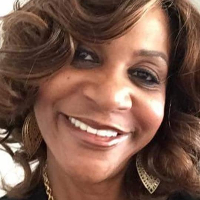
Celeste Bozeman
LPCCOhio · 18 yrs exp
Practical, trauma-aware counseling with coaching focus
Stress, Anxiety · Trauma and abuse · Grief · Anger · +11 more
Read profileTherapist listings are provided by BetterHelp. We will earn a commission at no additional cost to you if you sign up through our links.
Browse therapist profiles listed for Ohio to compare clinical focus areas, languages, academic degrees, and trauma-focused approaches. Review each profile and confirm a therapist's permission to work with you where you live before reaching out.
Ohio · 18 yrs exp
Practical, trauma-aware counseling with coaching focus
Stress, Anxiety · Trauma and abuse · Grief · Anger · +11 more
Read profile
Ohio · 33 yrs exp
Experienced counselor helping people move forward
Stress, Anxiety · Family · Trauma and abuse · Self esteem · +12 more
Read profile
Ohio · 20 yrs exp
Practical, experienced counselor for life transitions
Stress, Anxiety · Addictions · Relationship · Family · +15 more
Read profile
Ohio · 17 yrs exp
Practical, compassionate trauma-informed care
Stress, Anxiety · Family · Parenting · Depression · +12 more
Read profile
Ohio · 14 yrs exp
Compassionate, practical support for life’s hard moments
Stress, Anxiety · Addictions · Relationship · Family · +9 more
Read profile
Ohio · 35 yrs exp
Calm, experienced social worker focused on trauma
Addictions · Trauma and abuse · Self esteem · Bipolar · +7 more
Read profile
Ohio · 23 yrs exp
Compassionate trauma-informed counseling in Ohio
Stress, Anxiety · Relationship · Trauma and abuse · Bipolar · +11 more
Read profile
Ohio · 15 yrs exp
Seasoned counselor guiding people through trauma recovery
Stress, Anxiety · Trauma and abuse · Anger · Depression · +9 more
Read profile
Ohio · 10 yrs exp
Compassionate, practical support for life changes
Stress, Anxiety · Addictions · Trauma and abuse · Depression · +8 more
Read profile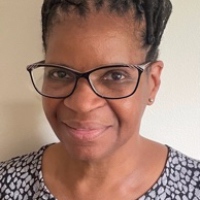
Ohio · 12 yrs exp
Practical support for trauma and life changes
Addictions · Relationship · Self esteem · Stress, Anxiety · +11 more
Read profile
Ohio · 12 yrs exp
Trauma-focused, practical support for daily life
Stress, Anxiety · Addictions · Trauma and abuse · Depression · +8 more
Read profile
Ohio · 14 yrs exp
Compassionate counselor who adapts to you
Stress, Anxiety · Relationship · Family · Parenting · +9 more
Read profile
Ohio · 6 yrs exp
Trauma-informed therapist focused on healing and growth
Stress, Anxiety · Relationship · Trauma and abuse · Depression · +10 more
Read profile
Ohio · 18 yrs exp
Helping young women build self-love and skills
Stress, Anxiety · Addictions · Trauma and abuse · Self esteem · +6 more
Read profile
Ohio · 33 yrs exp
Trauma-focused counselor with practical skills
Stress, Anxiety · LGBT · Family · Trauma and abuse · +15 more
Read profile
Ohio · 28 yrs exp
Calm, practical therapy for life’s big challenges
LGBT · Family · Parenting · Coaching · +13 more
Read profile
Ohio · 24 yrs exp
Calm, experienced trauma-informed therapist
Stress, Anxiety · Trauma and abuse · Grief · Depression · +10 more
Read profile
Ohio · 20 yrs exp
Trauma-informed Ohio licensed social worker
Stress, Anxiety · Relationship · Grief · Depression · +7 more
Read profile
Ohio · 10 yrs exp
Compassionate trauma-informed counseling
Stress, Anxiety · LGBT · Trauma and abuse · Self esteem · +10 more
Read profile
Ohio · 7 yrs exp
Trauma-aware counselor focused on practical change
Stress, Anxiety · Trauma and abuse · Self esteem · Depression · +9 more
Read profile
Ohio · 20 yrs exp
Client-centered counselor focused on practical recovery
Stress, Anxiety · Relationship · Self esteem · Depression · +7 more
Read profile
Ohio · 30 yrs exp
Experienced trauma-focused clinician
Stress, Anxiety · Trauma and abuse · Anger · Bipolar · +10 more
Read profile
Ohio · 3 yrs exp
Compassionate trauma-informed social worker
Stress, Anxiety · LGBT · Trauma and abuse · Grief · +1 more
Read profile
Ohio · 30 yrs exp
Experienced counselor focused on trauma-informed care
Addictions · Relationship · Bipolar · Depression · +1 more
Read profileIf you are exploring trauma-focused therapy, you may be trying to match the kind of care you want with professionals who list that approach in their profiles. Trauma-focused therapy is a way some clinicians describe how they work with people who have experienced distressing or overwhelming events. It is not a single protocol and listing the approach on a profile does not guarantee a specific method, a certification, or particular outcomes. As you read profiles for the listed location Ohio, focus on descriptions of what the therapist emphasizes and how they describe their work so you can decide whether to contact them for more information.
It is important to remember that profiles group therapists by their listed location but that grouping is not evidence of an office, physical proximity to your address, or permission to work with you where you live. If you are in immediate danger or need urgent help, call 911 or your local emergency services right away. For non-urgent care, use the profiles to gather information that helps you ask targeted questions during an initial conversation.
When you look at profiles, you will see a mix of academic degrees and professional licenses. Degrees such as PhD, PsyD, MD, MA, and MSW indicate educational achievement. Licenses or registrations reflect permission to practice within a jurisdiction. A degree alone does not establish current permission to practice in Ohio or any other state. You should check each profile for license information and then verify that license with the appropriate Ohio licensing board, or ask the clinician directly for details. Confirm that they have permission to work with you where you live, especially if you are considering care across state lines or from a remote setting.
Profiles sometimes describe clinical approaches that a therapist lists among their methods. For example, you may find therapists who list EMDR among their approaches or who list cognitive-behavioral techniques. These entries indicate the therapist reports using those approaches with clients, but they do not prove a particular credential, training level, or outcome. If a profile includes a description of an office or a service area, do not assume it guarantees proximity or an active in-person practice in your neighborhood. Use the profile as a starting point to ask for clarification about licensure, location, and what to expect.
When you contact a therapist after reviewing profiles, prepare focused questions that clarify how they work. Ask how they describe trauma-focused therapy in their own words, what kinds of experiences they typically address, and whether they have experience with situations similar to yours. If you have particular needs - such as working with survivors of a specific type of trauma or addressing symptoms that affect sleep or relationships - ask whether the therapist has relevant experience and how they incorporate different techniques into care. Remember that a therapist listing a technique among their approaches should be able to explain how and when they use it, not simply state it as a label.
It is also reasonable to ask about practical matters that affect your experience. Inquire about the typical length of time they work with someone on trauma-related concerns, how they measure progress, and what kinds of support they recommend outside of sessions. You can ask how they adapt their approach for cultural background, age, or language needs. If communication or language access is important to you, ask whether the therapist speaks your language or works with interpreters, and how they approach cultural factors in therapy. These discussions help you form a clearer picture beyond the brief profile summary.
If you are considering remote care from a therapist listed in Ohio, there are specific points to confirm ahead of time. Ask whether the clinician has permission to provide care to people in your state or locality, since licensing rules vary by jurisdiction. Clarify what platform or method they use to connect, and how they handle records and documentation. Discuss what to do in an emergency or crisis, and whether there are local resources they can refer you to if urgent help is needed in your area. If you are not located in Ohio, check whether the therapist can legally work with you where you are.
Online care also raises practical questions about session structure. Talk about session length, how cancellations are handled, and how to communicate between sessions if that is important to you. Ask how they protect your information and what steps they take to create a comfortable environment for your sessions. While a profile may note the clinician lists trauma-focused approaches, this conversation will reveal how those approaches are implemented in a remote setting and whether the therapist’s routine aligns with your expectations.
Comparing profiles helps you narrow options, but comparisons are most useful when based on concrete details. Look for descriptions of focus areas such as the types of life experiences the clinician commonly addresses, populations they work with, and any specialized interests noted. Pay attention to language offerings and cultural competence statements so you can find someone who communicates in a way that works for you. Academic degrees and listed credentials can indicate training pathways, but remember to verify current licensure status and whether that permits practice in your location.
Consider the therapist’s described style as well - whether they emphasize a more structured approach, a collaborative style, or help with skills management and stabilization. Profiles that mention restorative practices, symptom management, or narrative work describe different emphases rather than guarantees of method. When comparing profiles, think about what matters most to you in therapeutic style and match your questions to those priorities. You might ask how the therapist balances practical coping skills with exploration of traumatic experiences, or how they involve you in planning goals and measuring progress. Those conversations will help you decide which profiles to pursue further.
After you compare profiles and have initial conversations, you will be in a better position to decide whether to pursue an introductory meeting. Use that first contact to confirm license status, permission to work with you where you live, and whether the therapist’s described approach fits your needs. Be clear about your goals, your concerns, and any constraints that affect care, such as language needs or scheduling. If a profile or conversation leaves important questions unanswered, ask for clarification rather than assuming details about training or scope of practice.
Finding the right therapeutic match can take time. The profiles listed for Ohio are a way to gather information and form targeted questions. Keep records of the clinicians you contact and the answers you receive so you can compare notes. Above all, prioritize your safety and immediate needs - call 911 or local emergency services if you are in danger - and use the directory to inform careful, practical conversations with clinicians who list trauma-focused therapy approaches in their profiles.
Anger
1139 therapists
Depression
1466 therapists
Dissociation
376 therapists
Domestic Violence
672 therapists
Grief
1280 therapists
Guilt and Shame
1191 therapists
Isolation / Loneliness
1087 therapists
Mood Disorders
1033 therapists
Panic Disorder and Panic Attacks
915 therapists
Post-Traumatic Stress
1256 therapists
Self Esteem
1419 therapists
Sleeping Disorders
490 therapists
Social Anxiety and Phobia
1074 therapists
Stress & Anxiety
1527 therapists
Trauma and Abuse
1484 therapists