
Patricia Pardy
LMHC, LCPCNew York · 20 yrs exp
Trauma-informed, practical counseling for life challenges
Stress, Anxiety · Family · Parenting · Self esteem · +10 more
Read profileTherapist listings are provided by BetterHelp. We will earn a commission at no additional cost to you if you sign up through our links.
This page groups therapist profiles under the listed location New York so you can compare clinical approaches, focus areas, professional degrees, languages, and credentials. Review each profile to confirm a clinician's permission to work with you where you live. Browse the profiles below to learn more about practitioners who list trauma-focused therapy among their approaches.
New York · 20 yrs exp
Trauma-informed, practical counseling for life challenges
Stress, Anxiety · Family · Parenting · Self esteem · +10 more
Read profile
New York · 12 yrs exp
Compassion-focused therapy for stressed helpers
Relationship · Family · Self esteem · Coping with life changes · +12 more
Read profile
New York · 12 yrs exp
Trauma-focused clinician blending skills and insight
Trauma and abuse · Grief · Self esteem · Depression · +1 more
Read profile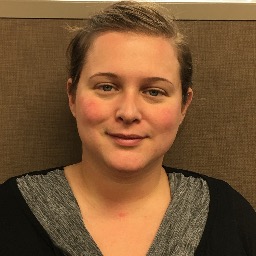
New York · 11 yrs exp
Trauma-informed social worker focused on practical change
Family · Trauma and abuse · Parenting · Bipolar · +11 more
Read profile
New York · 7 yrs exp
Practical support for stress and anxiety
Stress, Anxiety · Self esteem · Career · Coping with life changes
Read profileWhen a profile lists trauma-focused therapy as an approach, it signals that the clinician emphasizes addressing the effects of trauma in their work. That label can encompass a range of ways of working, from talk-based processing to skills for managing symptoms to body-centered approaches. It does not guarantee a particular protocol, a specific credential, or an outcome. Use the profile details to learn how a therapist describes their approach and to decide which questions you want to ask.
If you are in immediate danger or at risk of harming yourself or someone else, call local emergency services or a crisis hotline right away. Trauma-focused approaches are intended for ongoing therapeutic work rather than immediate crisis response. When you contact a clinician, ask whether they are prepared to help you connect to urgent care resources if needed.
The listed location on a profile groups practitioners associated with New York, but it is not, by itself, proof of an office address, physical proximity, or an active license in every circumstance. Profiles vary in the details they provide. Some clinicians note an office location or a practice city, while others emphasize modalities, populations, or languages. Before you make decisions, check each profile for specifics and confirm directly with the clinician that they have permission to work with you where you live.
Profiles commonly list academic degrees and separate information about licensure or professional registration. An academic degree such as PhD, PsyD, MD, MA, or MSW describes a level of education. Licensure - the authorization to practice in a given state - is a distinct matter. A degree alone does not establish current permission to provide clinical services. When reviewing a profile, look for statements about licensure or registration and ask the clinician to verify their current permission to practice in New York or in your state if you are seeking online care.
When you contact a clinician, preparing specific questions helps you compare how each person might fit your needs. You can ask how they understand trauma-focused therapy in practice and what they emphasize in early sessions. Ask whether they commonly work with people who have similar histories or concerns to yours and how they assess whether a particular approach is a good fit. You may also ask what kinds of goals they typically set with clients and how progress is discussed over time.
It is reasonable to request examples of the types of interventions they use, phrased as options to discuss rather than as guarantees. For example, you might say, "Do you work with techniques for managing overwhelming feelings, and can you describe how those are introduced?" If a profile notes specific modalities, you can ask about those directly - for instance, therapists who list EMDR among their approaches may explain how they integrate that work into a therapy plan. Always remember not to assume a listed approach means certification or a particular outcome. Finally, ask about populations the clinician commonly supports - adults, older adults, or specific cultural communities - because a listed topic does not by itself establish the clinician's scope with children, couples, or families.
If you are considering online sessions or a mixed format, it is important to have clear conversations up front. Ask whether the clinician is authorized to provide services to people in your location. Licensing rules vary, and permission to work across state lines is not automatic. Confirming this detail helps you know whether the clinician can legally and ethically continue care with you.
Talk about how practical matters will be handled - for example, what technology you will use, how appointments are scheduled or rescheduled, and how you should reach the clinician in a non-emergency. It is helpful to ask what they recommend if you experience a crisis while not in session and whether they have a plan for connecting you to local emergency resources. Discussing information-sharing boundaries expectations and how records are managed is appropriate, though the profile itself may not include those operational details. Clear communication about boundaries, session structure, and contingency plans makes remote care easier to evaluate before you begin.
Profiles offer different kinds of information that can help you make side-by-side comparisons. Focus areas describe the kinds of concerns a clinician commonly addresses, such as complex trauma, interpersonal violence, or adjustment after a traumatic event. Languages listed in a profile can be crucial if you prefer to work in a language other than English. Credentials and professional degrees give context about education and training, but remember to distinguish degrees from licenses. When you read a profile, note both the degree listed and any mention of professional licensure or registration, and ask for confirmation when you contact the clinician.
Therapeutic style and interpersonal fit are often the most subjective but important factors. Some clinicians describe an active, skills-oriented approach while others emphasize reflective, narrative, or body-based work. You can ask each clinician to describe a typical early session so you can compare how they introduce goals, safety planning, and symptom management. If a profile lists particular modalities, consider asking how those approaches are used in practice and whether they tend to be integrated with other methods. Keep in mind that a listed modality is an option to discuss rather than a promise that every session will follow a single protocol.
When you are ready to reach out, prepare the concrete comparison questions that matter most to you - questions about permission to work in your location, experience with similar concerns, languages offered, and how the clinician structures early treatment planning. Those conversations will help you determine which profiles match your needs and who you might want to contact for an introductory conversation. Use the profiles on this page as a starting point, and verify details directly with each clinician so you can make an informed choice about the next steps in your care.
Anger
1139 therapists
Depression
1466 therapists
Dissociation
376 therapists
Domestic Violence
672 therapists
Grief
1280 therapists
Guilt and Shame
1191 therapists
Isolation / Loneliness
1087 therapists
Mood Disorders
1033 therapists
Panic Disorder and Panic Attacks
915 therapists
Post-Traumatic Stress
1256 therapists
Self Esteem
1419 therapists
Sleeping Disorders
490 therapists
Social Anxiety and Phobia
1074 therapists
Stress & Anxiety
1527 therapists
Trauma and Abuse
1484 therapists